
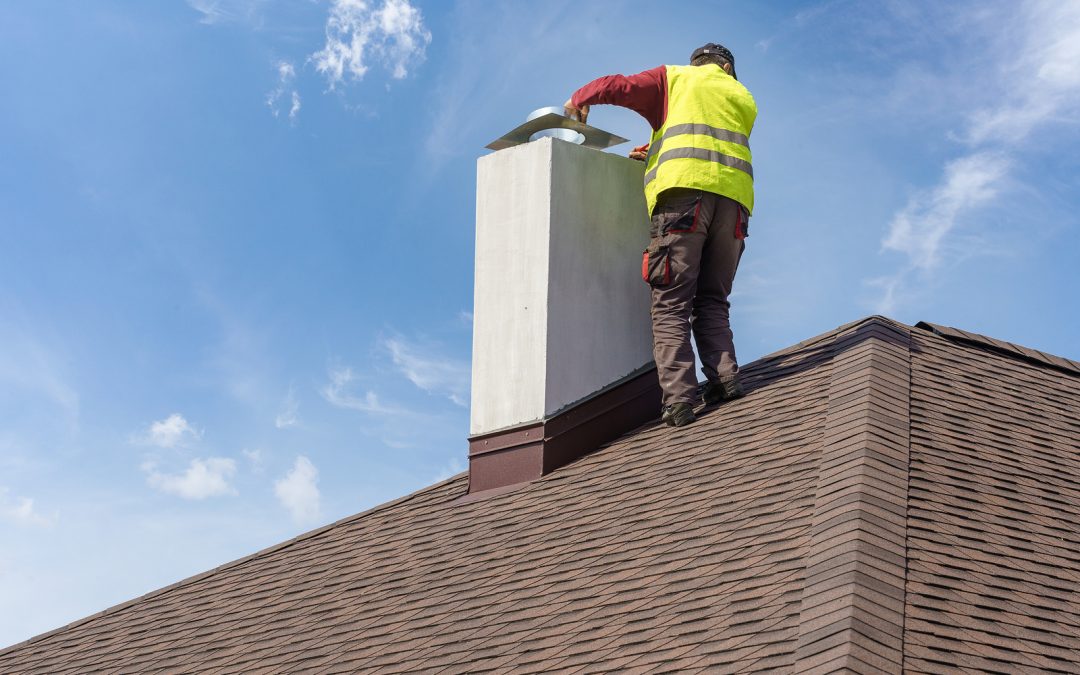
As lovely as it is to have a roaring log fire crackling merrily away in the hearth at this time of year, you do need to be aware of chimney and fire safety so you and your family can enjoy the winter without having to worry about smoke billowing out of the fireplace or your house going up in flames.
Chimneys do require regular maintenance in order to remain safe to use, so make sure that you know your responsibilities in this regard. It could certainly be worth calling out your local Beaconsfield chimney sweep to come and make sure that your chimney is safe for you all to use at this time of year.
It’s essential that you do clean your chimney annually to prevent soot from building up, as this can be a fire hazard. Regular sweeping also means that you can prevent the build-up of fallen debris and brickwork, spider’s webs and nesting birds, all of which can be hazardous and cause fires to start.
And it’s also worth remembering that regular maintenance will not only help you to ensure the safety of your fireplace, but also make it more efficient and allow it to give out the optimum amount of heat.
Before your professional and experienced chimney sweep comes over, make sure that the fire isn’t lit and make sure that it’s possible to sweep with a cowl but not a cap. If you’re not sure about this, take a few photographs and send them to the sweep so they have all the necessary information before they arrive.
3 common chimney problems
Chimneys aren’t low maintenance, although lots of people think they are. Here are just a couple of issues you might find yourself faced with if you do want to use your fire and chimney on a regular basis.
Obstruction
Obstructions can be caused by all manner of objects and they can be very dangerous because toxic fumes can be created and you don’t want carbon monoxide flooding your home. It could be anything from leaves and birds’ nests to too much soot or creosote.
Creosote
Talking of creosote, this is dangerous in its own right and may well be something you experience. This is a mix of soot and black or brown tar, deposited in the flue lining when you burn wood in your fireplace. Creosote build-up is responsible for lots of fires each year, so take care in this regard.
Cracks in the flue
It’s hard to tell if your flue is in good condition, which is why you may want to call out a chimney sweep to check it for you. The lining is what stops the combustible parts of your house from catching alight, so you do need to make sure that it remains in good working order.
Check out the DEFRA website for a practical guide to open fires and wood-burning stoves.



Recent Comments